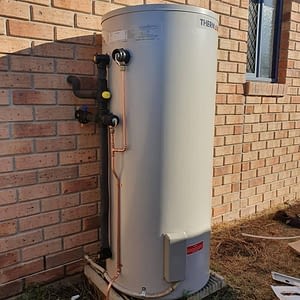

Hot water system costs in Nowra, NSW vary based on type, size, and installation complexity. Expect to pay $800–$2,500 AUD for a new system installation, including labor, or $500–$1,500 AUD for replacement, depending on the unit (gas, electric, or solar). Additional costs may include permits, pipework, or upgrades for energy efficiency. Always get multiple quotes from licensed plumbers to ensure transparency and avoid unexpected expenses.
Hidden installation costs, government rebates worth thousands of dollars, and long-term operating expenses can dramatically impact your total investment. Understanding these cost factors before facing an emergency helps you make informed decisions and avoid expensive mistakes that could cost you thousands extra.
Australia’s Hot Water Cost Landscape
Australia’s unique geography, climate diversity, and energy policies create a complex pricing environment that varies significantly between regions. Understanding these market forces helps explain why costs differ so dramatically and where opportunities exist for savings.
Key Market Drivers
Energy Policy Impact: Australia’s renewable energy commitments directly affect hot water system costs and available rebates. Government incentives can reduce purchase costs by $1,000-2,000 AUD for efficient systems, with program changes expected throughout 2025 affecting availability and amounts.
Climate Zone Variations: Australia’s eight climate zones significantly impact system performance and pricing. Heat pump systems excel in temperate zones but require different specifications in tropical areas. Solar systems deliver excellent returns in high-sunshine regions but may need costly backup systems in cloudier areas.
Infrastructure Age: Many Australian homes require significant upgrades during hot water system replacement. Older properties may need electrical panel upgrades ($500-1,500) AUD, gas line modifications ($500-2,000) AUD, or structural work, adding substantially to basic replacement costs.
Regional Cost Differences
Metropolitan vs Regional: Major cities offer competitive equipment pricing through dealer networks but higher installation labor rates ($80-150/hour). Regional areas face higher equipment transport costs but often lower installation rates ($60-100/hour).
State Variations: Energy costs and rebate programs vary significantly between states. Queensland’s high electricity rates favor solar and heat pump systems, while Victoria’s gas infrastructure makes gas competitive. These differences can affect system selection and total costs by thousands of dollars.
Complete Cost Breakdown by System Type
Understanding true costs requires examining purchase price, installation complexity, operating expenses, and lifespan for each system type. This analysis reveals which options provide the best long-term value.
Electric Hot Water Systems Cost Breakdown
| System Type | Purchase Cost | Installation Cost | Annual Operating Cost |
|---|---|---|---|
| Electric Storage (125L) | $500–$800 | $300–$600 (standard) | $600–$1,200 |
| Electric Storage (160-250L) | $800–$1,500 | $300–$600 (standard) | $600–$1,200 |
| Electric Storage (Premium) | $1,500–$2,500 | $800–$1,500 (complex) | $600–$1,200 (30-50% less with off-peak tariffs) |
| Instantaneous Electric | $500–$2,500 | $800–$1,800 (includes panel upgrades $500–$1,200) | $600–$1,200 |
Total Lifetime Value: Electric systems last 8-12 years. While offering lowest upfront costs, higher operating expenses often make them more expensive long-term than gas or heat pump alternatives.
Gas Hot Water System Cost Breakdown
| System Type | Purchase Cost | Installation Cost | Annual Operating Cost |
|---|---|---|---|
| Gas Storage | $800–$3,500 | $400–$800 (direct replacement) | $400–$800 |
| Instantaneous Gas | $1,200–$4,000 | $400–$800 (direct replacement) | $400–$800 |
| High-Efficiency Condensing | $1,200–$4,000 | $400–$800 (direct replacement) | $400–$800 (lower due to efficiency) |
Heat Pump Hot Water Systems
Premium Investment: Heat pump systems cost $2,500-6,000 AUD, representing the highest upfront investment but offering exceptional long-term returns through dramatic operating cost reductions.
Installation Complexity: Professional installation costs $800-1,500 AUD due to refrigerant handling requirements and space considerations. Units need adequate airflow clearances and may require concrete pads.
Efficiency Returns: Operating costs typically range $200-500 AUD annually, delivering 60-70% savings compared to standard electric systems. Optimal climate conditions can achieve even greater savings.
Government Incentives: Heat pump systems qualify for substantial rebates in most states, often reducing costs by $1,000-2,000 AUD, significantly improving value proposition and payback periods.
Solar Hot Water System Cost Breakdown
| System Type | Purchase Cost (AUD) | Installation Cost (AUD) | Annual Operating Cost (AUD) |
|---|---|---|---|
| Flat-Plate Solar | $3,000–$6,000 | $1,000–$2,500 (roof work) | $100–$400 (backup heating) |
| Evacuated Tube Solar | $4,000–$8,000 | $1,000–$2,500 (roof work) | $100–$400 (backup heating) |
Why Replacement Costs Vary So Dramatically
Hot water system replacement costs vary widely due to multiple factors that aren’t immediately apparent. Understanding these variables helps budget accurately and avoid surprise expenses.
Installation Complexity Factors
Infrastructure Assessment: Older homes often require significant upgrades not visible during initial quotes. Electrical panels may need upgrading for modern systems, gas lines might require replacement for code compliance, and structural work may be necessary for new system types.
Access Challenges: System location dramatically affects costs. Units in cramped spaces, upper floors, or requiring special access equipment incur higher labor charges. Rooftop solar installations need additional safety measures and equipment.
Code Compliance: Building codes require various upgrades during replacement. New installations may need updated pressure relief systems, seismic restraints, or improved ventilation, adding hundreds to thousands in compliance costs.
Existing System Removal: Disposal involves environmental considerations and hazardous material handling. Large systems in difficult locations may require cutting for removal, while gas systems need proper disconnection procedures.
Geographic and Market Factors
Regional Labor Variations: Installation rates vary significantly across Australia, reflecting local wages and market competition. Metropolitan areas have higher hourly rates but may complete work faster due to installer experience.
Transport and Logistics: Remote areas face higher equipment costs due to freight expenses. Specialized systems may require special delivery, adding hundreds in transport costs depending on location.
Local Requirements: Different councils have varying permit requirements and fees. Some areas require multiple permits and inspections, each adding to total project costs while ensuring safe installation.
Central Heating: The Premium Investment
Central heating systems represent significant home comfort investments, particularly in cooler Australian regions. Understanding these specialized systems helps evaluate comprehensive heating solutions.
Hydronic System Cost Breakdown
| System Component | Purchase Cost | Installation Cost | Annual Operating Cost |
|---|---|---|---|
| High-Efficiency Boiler | $3,000–$15,000 | $5,000–$15,000 (plumbing & integration) | $800–$2,000 (gas) |
| In-Floor System | $80–$150 per sqm | $5,000–$15,000 (floor prep & integration) | $800–$2,000 (gas) |
| Heat Pump Boiler | $3,000–$15,000 | $5,000–$15,000 (plumbing & integration) | $600–$1,500 (highest efficiency) |
Pipe Replacement Costs
Material Options: Modern systems use PEX or composite pipes costing $8-25 per meter. Traditional copper costs significantly more and may not provide additional benefits for modern applications.
Replacement Scope: Complete pipe replacement requires careful planning to minimize disruption. In-slab systems may need floor removal, while above-floor systems may require wall modifications for concealed installation.
Government Rebates and Financial Incentives
Australia’s energy efficiency commitment has created numerous financial incentives that can significantly reduce hot water system costs and improve investment returns.
Federal Programs
Small-scale Renewable Energy Scheme: Federal certificates for eligible systems effectively reduce purchase costs. Solar and heat pump systems qualify for different values based on expected energy savings over their lifetime.
Energy Efficiency Grants: Various federal programs support efficient upgrades with specific eligibility requirements but substantial cost reductions for qualifying applicants.
State-Based Incentives
NSW Energy Savings Scheme: Offers rebates for switching to efficient systems, providing point-of-sale discounts through participating retailers. Changes expected in August 2025 may affect program structure and availability.
Victorian Energy Upgrades: Provides rebates varying by system type and efficiency ratings, including both purchase rebates and financing assistance for qualifying households.
Queensland Programs: Various incentives for solar and heat pump systems reflect the state’s solar resources and renewable energy commitments.
Other State Programs: All jurisdictions offer various programs, though availability and amounts change periodically, requiring current program research for accurate planning.
Maximizing Incentives
Eligibility Requirements: Programs often have income thresholds or property requirements designed to assist those most needing efficiency improvements. Understanding requirements helps determine program access.
System Specifications: Rebates require systems meeting specific efficiency standards or certifications. Ensuring chosen systems qualify prevents disappointment and financial surprises.
Professional Installation: Most programs require licensed installation and may specify additional requirements. Using qualified installers familiar with programs ensures smooth processing.
Cost-Saving Strategies and Smart Planning
Optimizing hot water system investment involves more than finding lowest prices. Strategic planning considering total costs, timing, and financing maximizes value and minimizes expenses.
Strategic Timing
Proactive Planning: Replacing systems before failure provides significant advantages including thorough research, multiple quotes, and convenient scheduling. Emergency replacements typically cost 20-40% more due to urgency premiums.
Seasonal Considerations: Installation demand peaks during autumn/winter when failures increase. Scheduling during low-demand periods often results in better pricing and availability.
Rebate Timing: Government programs sometimes have budget limitations affecting availability. Early application ensures rebate access before budgets are exhausted.
Financing Options
Personal Loans vs Credit: Dedicated improvement loans often offer lower rates than credit cards with structured repayment terms. Green loans may provide additional rate reductions for efficient systems.
Interest-Free Promotions: Retailers sometimes offer promotional financing for qualified buyers. Understanding terms including balloon payments or rate changes is essential.
Total Cost Analysis
Lifecycle Calculations: Comprehensive analysis includes purchase price, installation, operating expenses, maintenance, and expected lifespan. Higher upfront costs often provide better long-term value.
Energy Forecasting: Future price trends affect long-term costs and system selection. Historical trends help predict potential savings from efficient systems.
Smart Investment in Nowra, NSW Hot Water
Hot water system costs in Australia extend far beyond simple purchase prices. With typical replacement costs of $1,600-3,500 AUD, these systems represent substantial household investments deserving careful consideration and strategic planning.
Frequently Asked Questions
Do plumbers deal with hot water?
Yes, licensed plumbers are the primary professionals for hot water system services in Australia. Plumbers handle installation, repair, maintenance, and replacement of all types of hot water systems including gas, electric, solar, and heat pump units. They’re trained in both the plumbing connections and system mechanics required for safe, compliant hot water system work.
Can a plumber fix no hot water?
Absolutely. Plumbers are specifically trained to diagnose and repair “no hot water” situations. They can identify whether the problem is mechanical (faulty thermostat, heating elements, gas valves), plumbing-related (blocked pipes, pressure issues), or system failure requiring replacement. Most no hot water problems require plumbing expertise rather than electrical work.
Can a plumber fix central heating?
Yes, many licensed plumbers specialize in central heating systems, particularly hydronic (water-based) heating. They can service boilers, install and repair heating pipes, maintain circulation pumps, and troubleshoot radiator systems. However, some central heating work may require specialists depending on system complexity and local licensing requirements.
Who to call if my hot water is not working?
Call a licensed plumber first for hot water problems. They can diagnose most issues and determine if electrical work is needed. In Australia, many plumbers also hold electrical licenses, providing comprehensive service. For gas systems, ensure your plumber holds gas fitting licenses. Only call an electrician directly if you’re certain the problem is purely electrical (like circuit breaker issues).
Do all plumbers do heating?
Not all plumbers specialize in heating systems, though most handle basic hot water system work. Central heating, hydronic systems, and complex heating installations often require specialized training and equipment. When choosing a plumber for heating work, verify their experience with your specific system type and any additional licensing requirements for heating work.
Do plumbers check radiators?
Licensed plumbers can inspect, service, and repair hydronic radiators as part of central heating systems. They can check for leaks, bleeding air from systems, replacing valves, and ensuring proper circulation. However, electric radiators or complex HVAC systems may require electrical or specialized HVAC technicians depending on the specific issue.
Do plumbers look at water heaters?
Yes, plumbers are the primary professionals for water heater (hot water system) inspection, maintenance, and repair in Australia. They examine all components including tanks, valves, thermostats, heating elements (in conjunction with electricians when needed), pipes, and safety devices. Regular plumber inspections help identify problems before they cause system failure.
Ready to make an informed hot water system investment? Start by assessing your needs, researching current government incentives, and obtaining quotes from multiple licensed hot water installers to ensure the most cost-effective choice for your situation.